

Sample Collection:
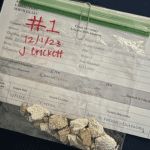
- Using a small container or plastic ziplock bag, cut off or scrape a quarter size (one-inch diameter) piece of the material into the container/bag. Be sure to add all layers of the material. One sample per bag.
- Seal the container/bag.
- Label the sample container/bag with a unique ID number.
- On a chain of custody (COC) form, record each sample by noting the sample date, sample location, and sample ID number.
- Send the sample to ALS for analysis.
Note: Sampling should conform to the requirements outlined within applicable federal, state, and local regulations.
Precautions while sampling:
To avoid causing exposure to asbestos fibers:
- The material should be sampled when the area is not in use.
- Hold container/bag away from face during sampling.
- Do not disturb the material any more than necessary.
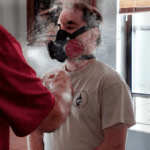
- The material can be sprayed with a light mist of water to prevent fiber release during sampling.
- If collecting a large number of samples, NIOSH recommends wearing an approved respirator.
- Wet mop floors and surrounding areas where samples were taken, if necessary.
ALS has certified and commonwealth of Virginia licensed asbestos field technicians to collect asbestos bulk samples.

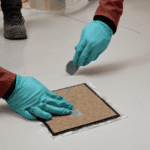
Sample Collection:
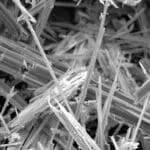
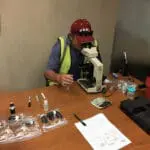
Sampling is performed by a standardized air sampling method (NIOSH 7400) using specific equipment approved by the Occupational Safety and Health Administration. A known volume of air is drawn through a filter where all suspended air particles are collected. A wedge shaped portion of the filter is placed on a glass slide and made transparent. A measured area of the filter is viewed by Phase Contrast Microscopy (PCM). Fibers are counted and considered a measure of the airborne asbestos concentration.
- OSHA regulations specify a minimum sampling volume of 48 L for an excursion, and a maximum sampling rate of 2.5 L/min.
- For episodic exposures, use flow rate of 7 to 16 L/min over shorter sampling times.
- At least 2 field blanks must be submitted for each set of samples.
Note: This method does not positively identify asbestos fibers.
ALS has certified and commonwealth of Virginia licensed asbestos field inspectors to collect air asbestos samples.
For more information, contact Paul Thomas at [email protected].
Source: USEPA, Asbestos-Containing Materials in School Buildings: A Guidance Document and NIOSH 7400.
Note: Other requirements may vary by state or agency.
Sample Collection:
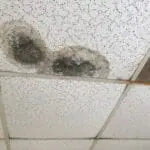
There are 4 methods of collecting mold samples. Which one you choose depends largely on what information you want, the location of the mold, and the type of mold. You may call us to determine the best method suited for your needs.
Method 1: In-House
- Wearing gloves, take a few inches of clear tape and gently fold over a small portion. This ensures the tape can be easily removed from the sampling location.
- Place the tape on the suspect area (where the mold is visible). Apply a small amount of pressure to the nonstick side of the tape. Avoid touching the sticky side.
- Slowly pull the tape off and place on a clean microscope slide or the inside of a small zip-lock bag.
- Be sure to label all samples.
- Send the samples to ALS for analysis.
Method 2: Bio-Tape
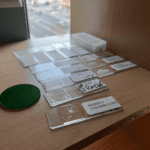
- Remove slide from plastic case.
- Using a pen or sharpie, record sample number and location on the slide label.
- Peel off seal from slide so the adhesive part is exposed.
- Place the adhesive slide against mold and apply a small amount of pressure.
- Without replacing the seal, set the slide back into the plastic case.
- Send the samples to ALS for analysis.
Note: Bio-Tapes are available for purchase. Please call 757-623-0121 for more information.
Method 3: Bulk
- Wearing gloves, remove a small section of the suspect material (where mold is visible).
- Carefully place sample in a labeled zip-lock bag.
- Send to ALS for analysis.
Method 4: Swab
(for hard to reach areas only)
- Wearing gloves, place swab into suspect mold area.
- Gently press suspect mold area with swab and then place in a labeled zip-lock bag.
- Send the samples to ALS for analysis.